
When planning a home renovation, it is natural to focus first on the elements that feel permanent — flooring, cabinetry, millwork, lighting and architectural details. Decorating can feel like something to think about later, once the renovation is complete.
In reality, the best time to start thinking about how you will furnish and decorate your home is much earlier.
Furnishings are what transform the structure of a room into a space designed around the way you actually live. They influence how you move through the space, where you gather and how the room supports your everyday routines. Considering these details from the beginning allows us to make better decisions throughout the renovation and work toward a home that feels cohesive, comfortable and complete.
Begin with How You Want to Live
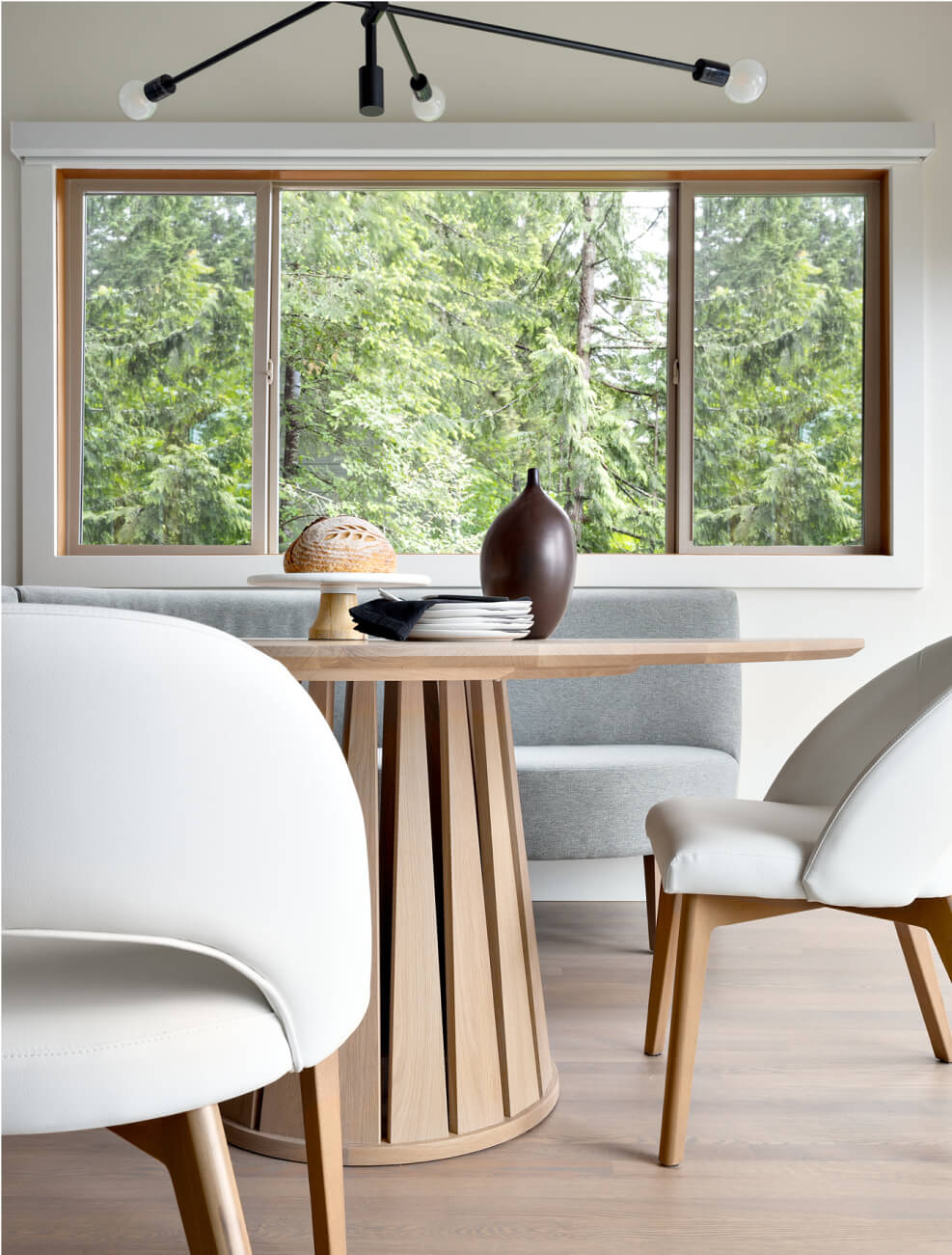
Before selecting a sofa or dining table, we consider how furniture will be arranged within each room. Space planning allows us to think through circulation, scale, and sightlines, while ensuring the room supports the way you actually plan to use it.
In a family room, for example, the size and placement of the seating can influence everything from lighting and electrical locations to the fireplace, television and surrounding architectural details. These decisions are much easier to make when we already understand how the finished room will function.
When furnishings are left until after construction, you may find yourself searching for pieces that simply fit rather than creating a room designed around the way you want to live.
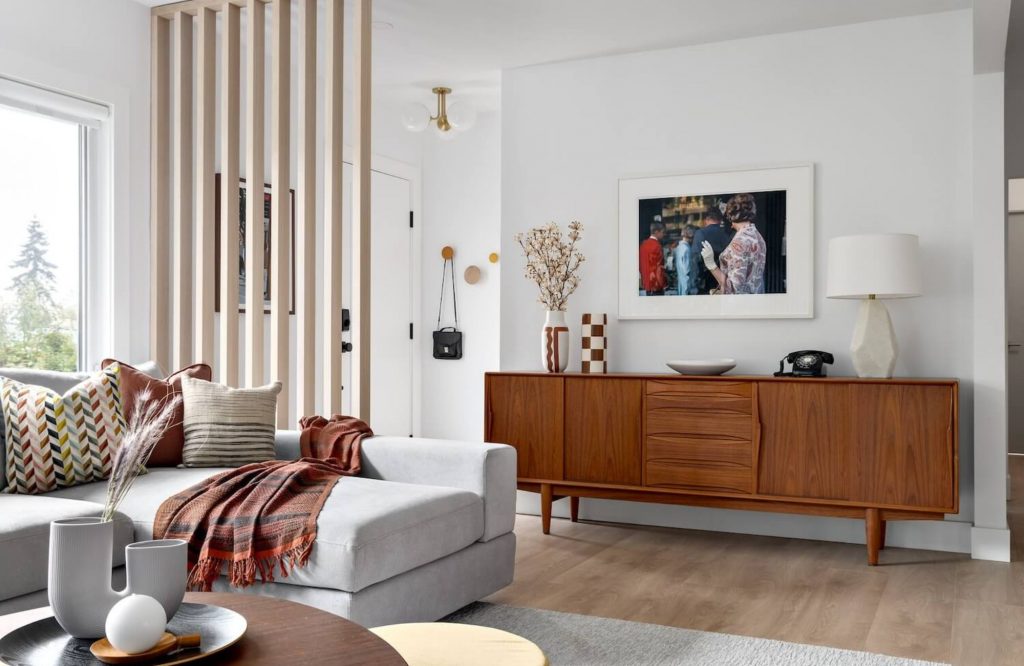
In our West Vancouver Project, pictured above, the entryway needed to feel defined without closing it off from the adjoining living space. The slatted divider creates that sense of separation while maintaining light and sightlines, while a vintage Danish credenza provides much-needed storage. Together, these decisions make the entry feel intentional, welcoming and connected to the way the family moves through the home.
Bring the Finished Room Into the Conversation Early
A successful renovation brings together different areas of expertise. Architects and draftspeople shape the structure, contractors and trades bring those plans to life, and our expertise lies in the finished interior — the furnishings and details that determine how the home will ultimately look, feel and function.
Even though our specialty is the finishing touches — hard and soft furnishings — it is never too early to involve us in a project. We can assemble a trusted team of professionals or collaborate with your existing architect, contractor or other professionals from the start. When everyone is working toward the same finished vision, decisions can be made with the complete home in mind, rather than treating the furnishings as an afterthought.
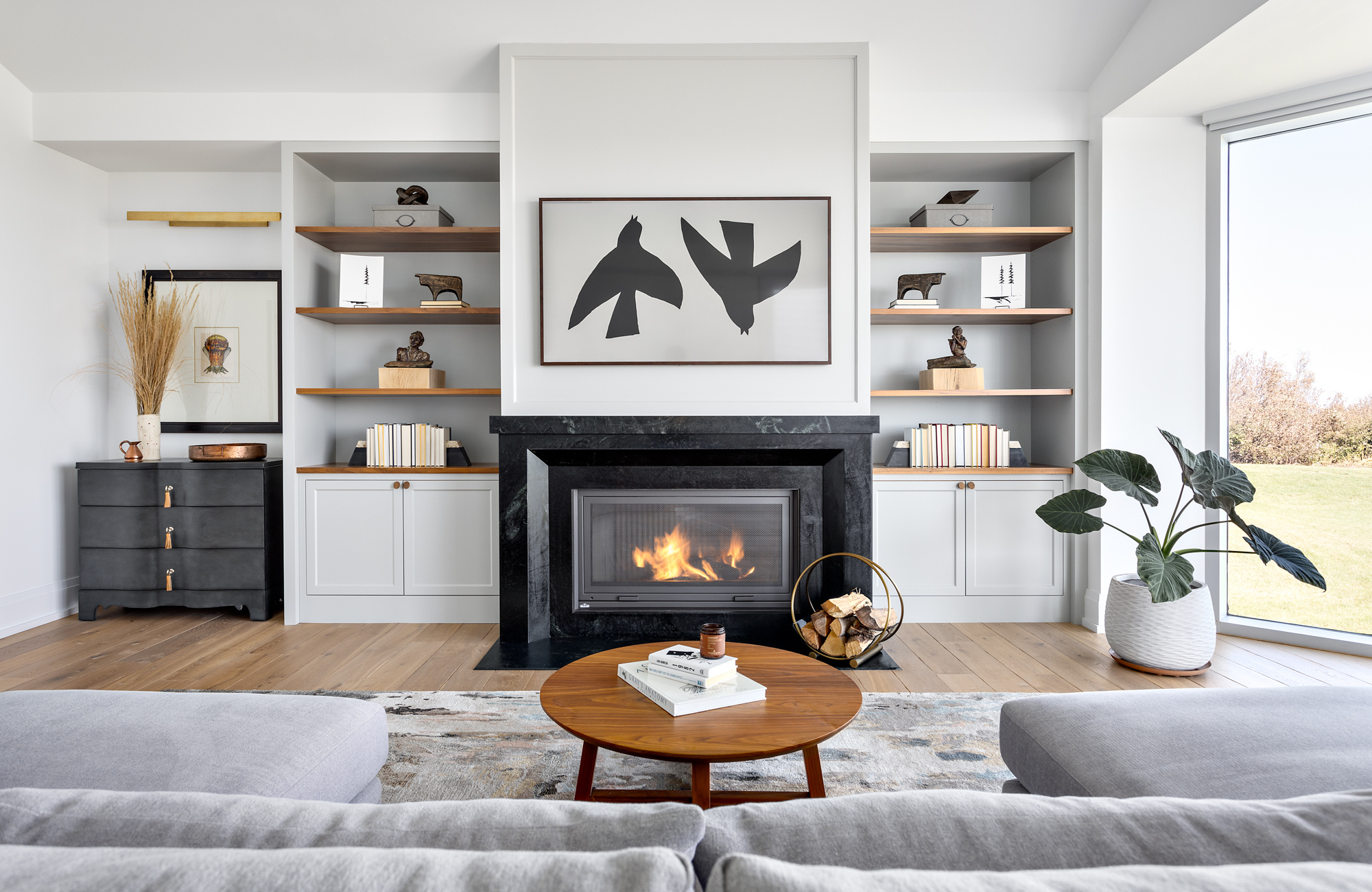
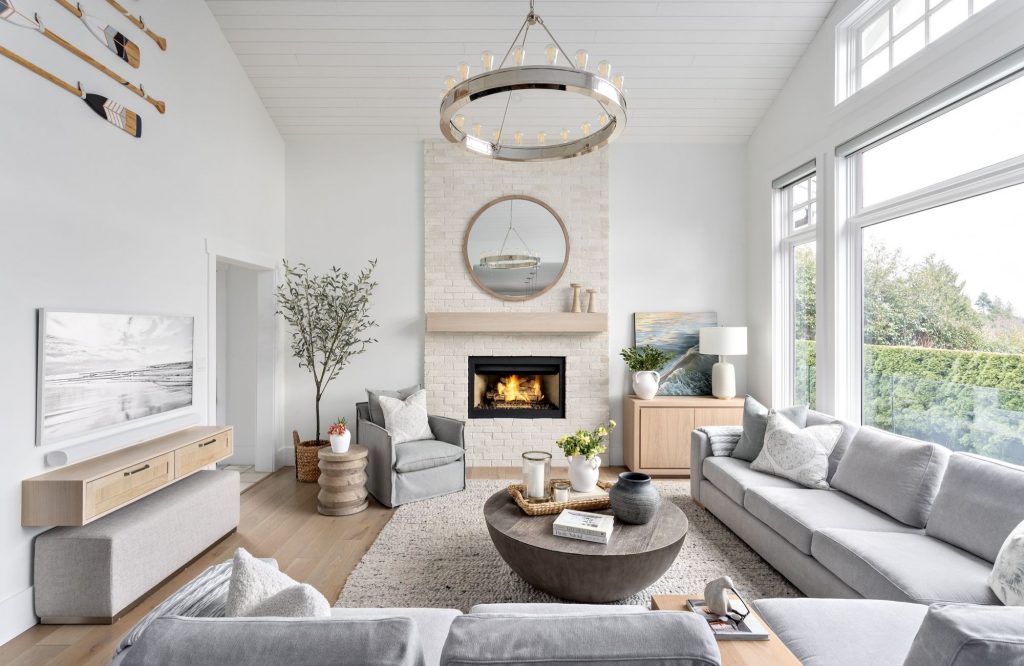
Our West Vancouver Project (pictured below) is a great example of what this looks like in practice.
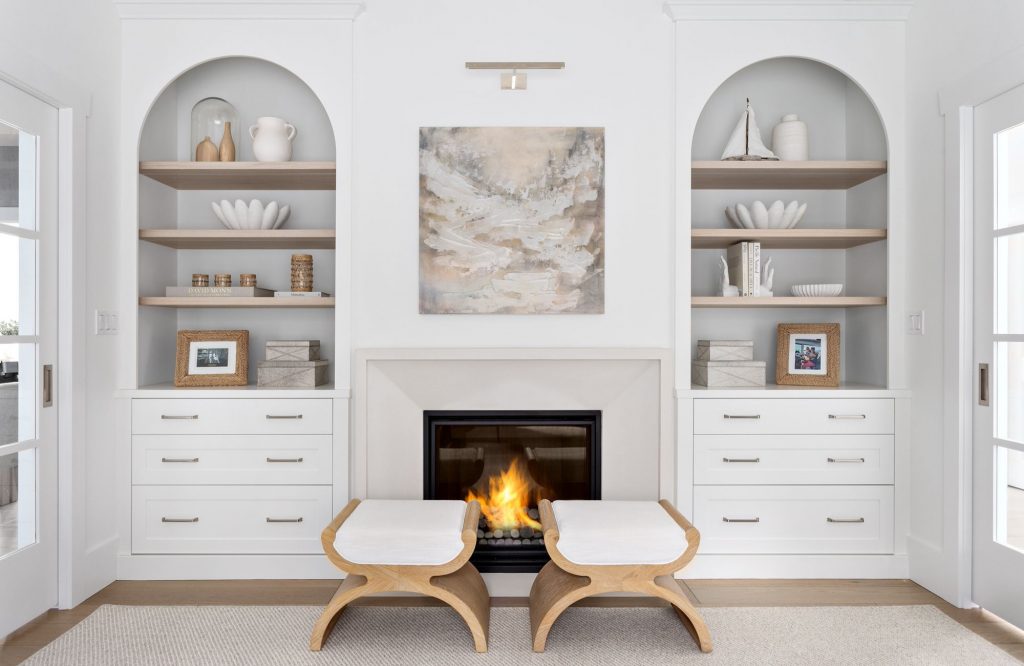
For this project, we brought in the contractor and planned the room as a whole, making alterations to the location of the French doors and designing the custom millwork around the fireplace. Additionally, we planned the electrical so it could be seamlessly integrated into the millwork rather than addressed later.
These may seem like construction details, but each decision was made with the finished room in mind. This is exactly the kind of early collaboration that allows every detail to feel carefully considered.
Create the Layers That Make It Feel Like Home
A newly renovated space can be beautiful, yet without furnishings it is still an empty shell. To me, a finished room is one you genuinely want to spend time in. It supports the activities it was intended for, feels comfortable and draws you in. This is where layering becomes particularly important.
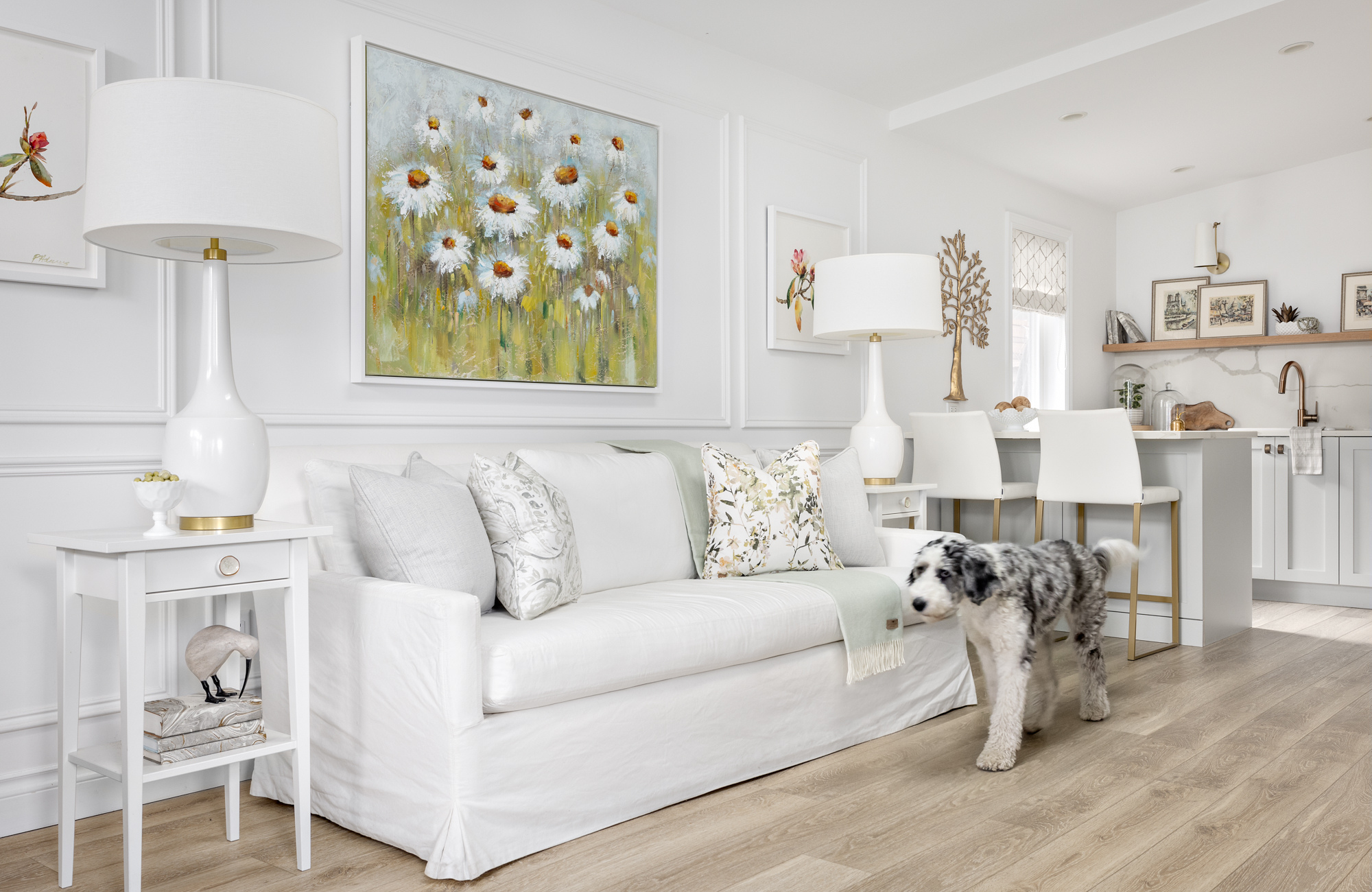
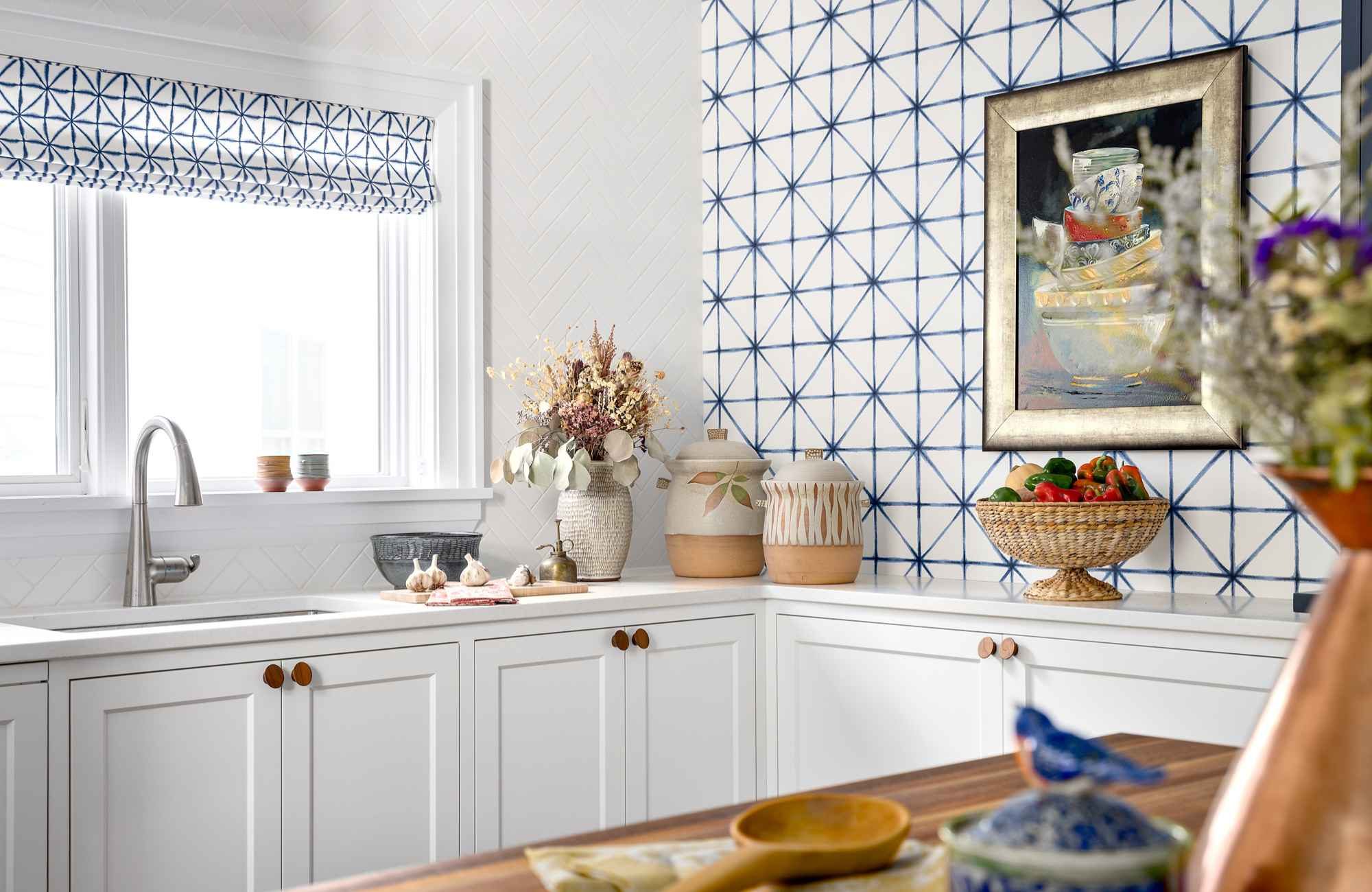
It is the wallpaper that becomes a conversation starter, the artwork that reminds you of a trip to Tuscany, or the antique found while travelling through the South of France. It is the heirloom dining table that hosts family gatherings and dinner parties, and the chair comfortable enough for hours of quiet reading or meaningful conversation.
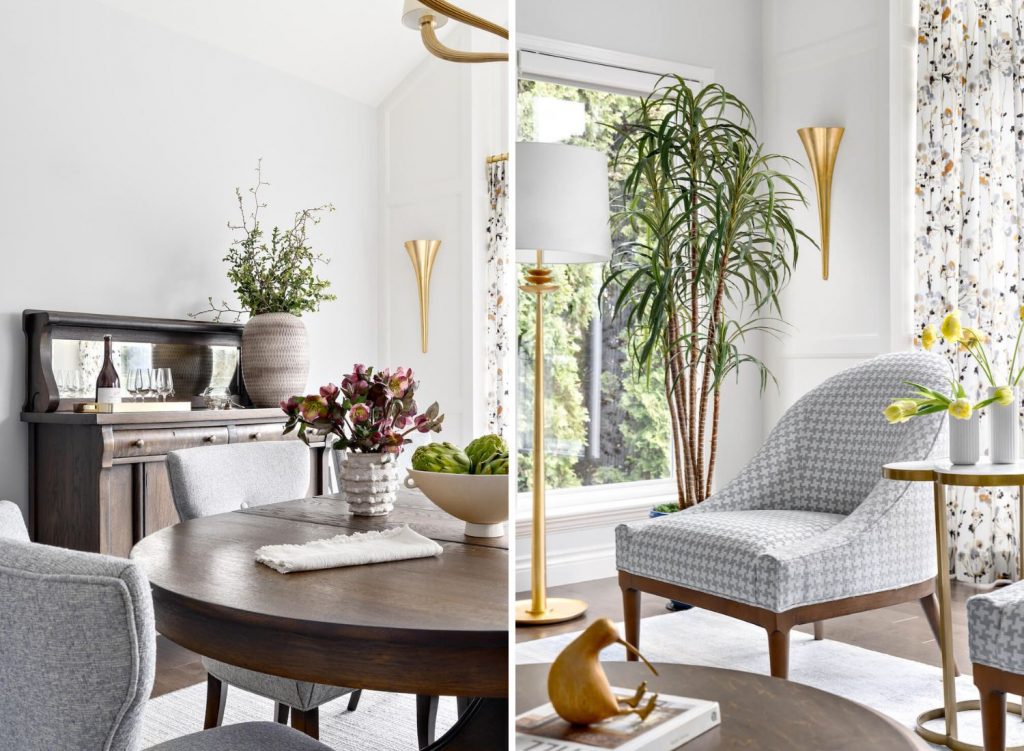
Pictured Above: Dollarton Traditional Home
These details tell your story and create a sense of connection that cannot be achieved through beautiful finishes alone. This is the part of the design process I particularly love — curating with intention to create a home that feels refined yet relaxed, personal rather than staged, and comfortable enough to be enjoyed every day.
Plan for the Investment and Timeline
Homeowners often underestimate both the investment and time required to properly furnish a home. Depending on the scope of the project, furniture, window coverings, rugs, lighting, artwork and accessories can represent an investment similar to the renovation itself.
Quality furnishings can also have lead times of 3 to 6 months. Ideally, we like to place orders before renovation work begins so that furniture production and construction can happen concurrently. This allows us to work toward having the furnishings ready for delivery as the renovation comes to an end.
Planning ahead also gives us the freedom to select pieces because they are right for the home rather than because they happen to be available or happen to fit.
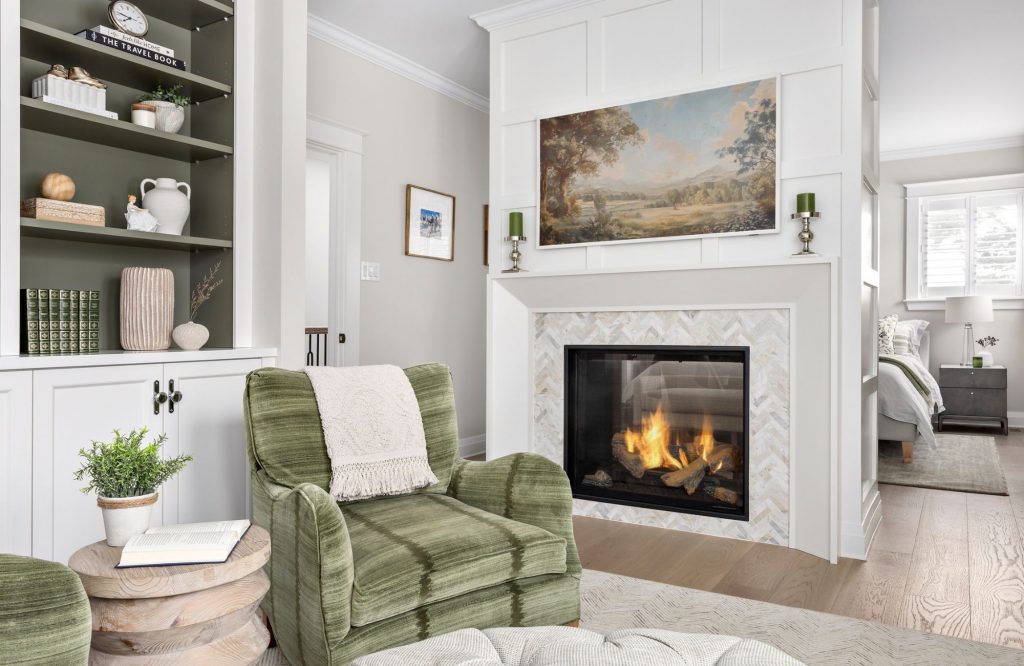
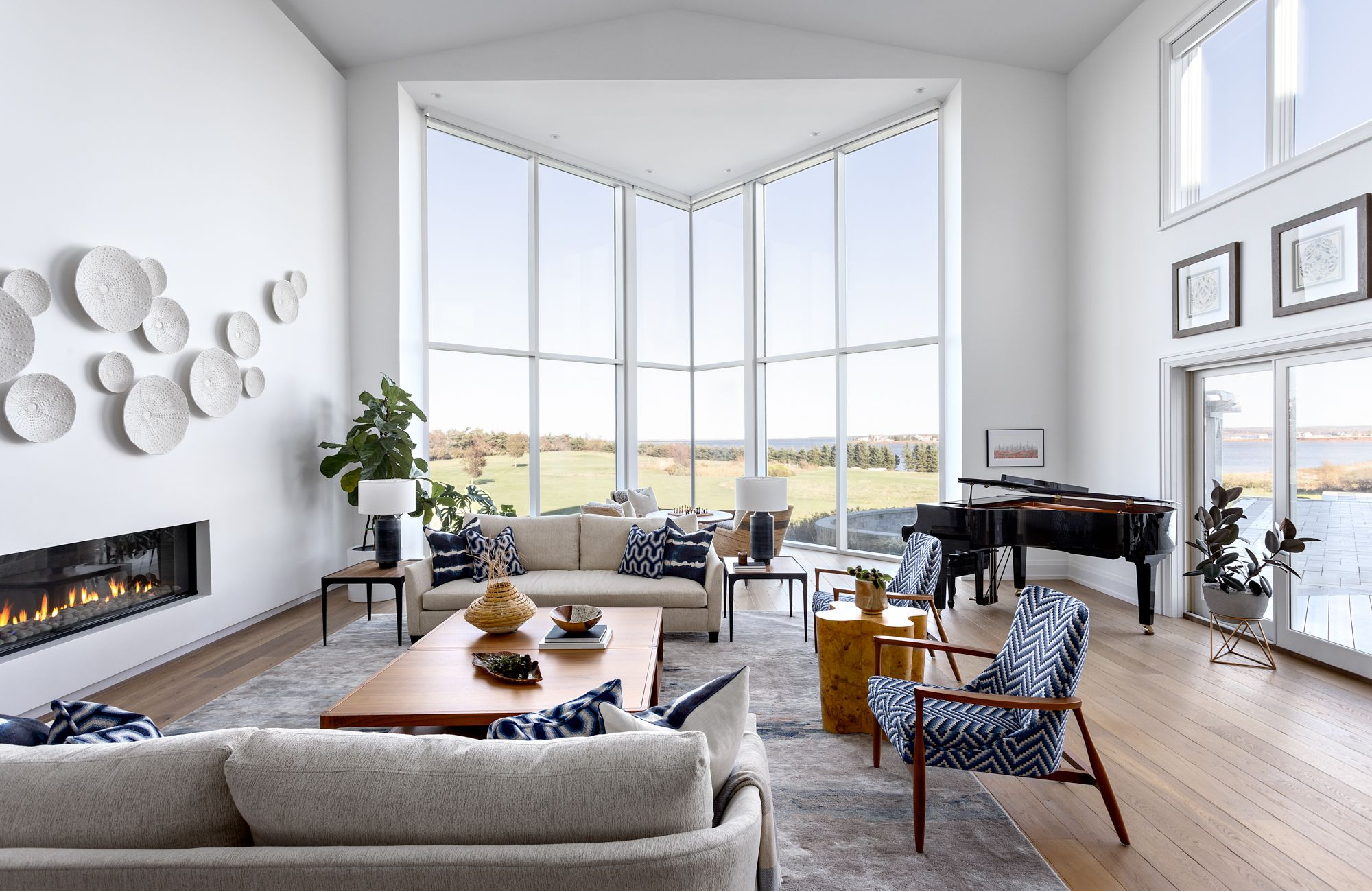
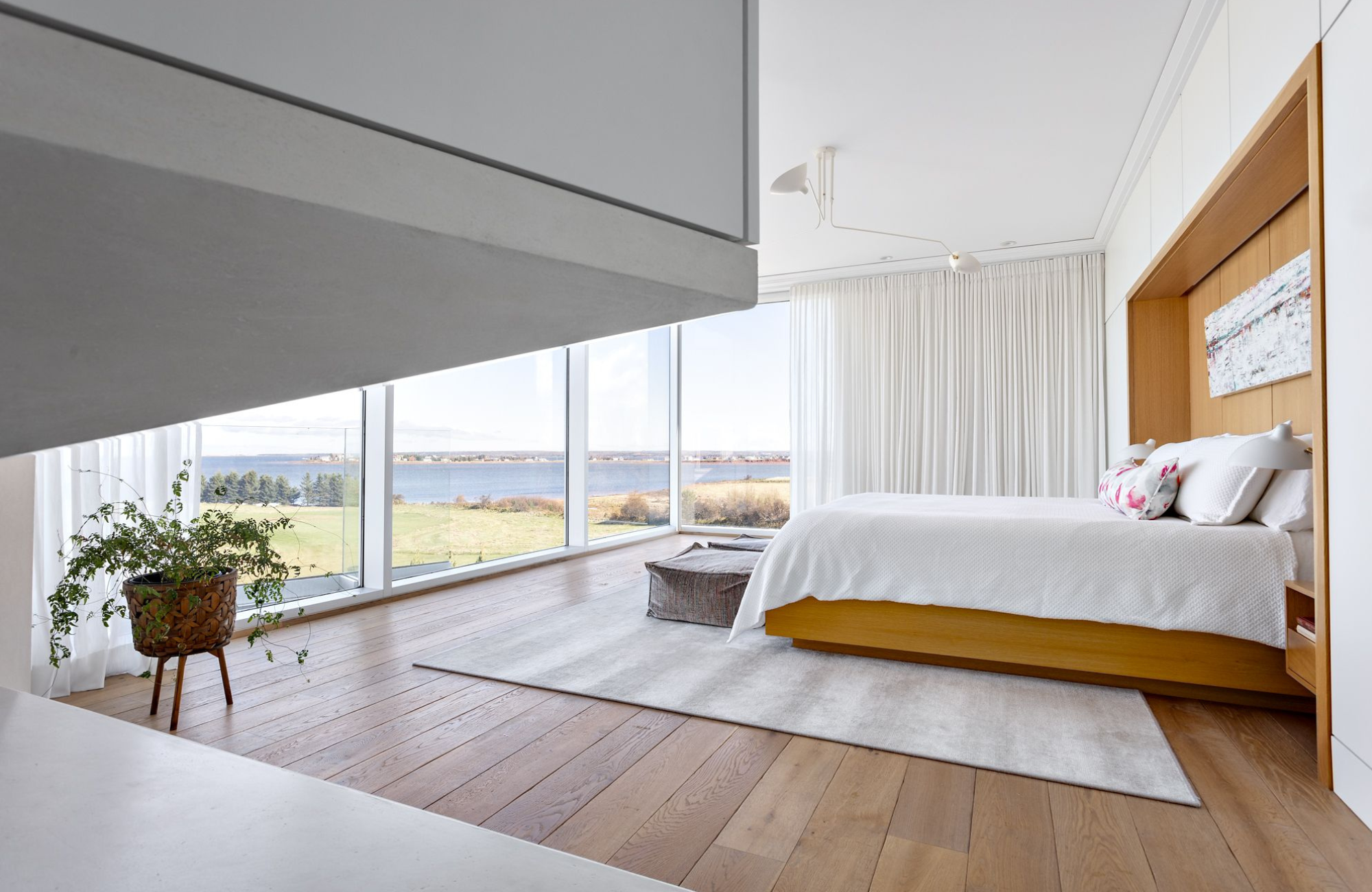
In our Newfoundland Family Home Project, pictured above, a set of older, dated chairs our clients already owned was given new life with this beautiful green ombré fabric.
Making Thoughtful Decisions About What You Already Own
Existing furniture can absolutely be incorporated into a newly renovated home when it makes sense. A meaningful antique, favourite piece of art or beautifully made piece of furniture can bring history and personality to a new space.
At the same time, furniture that worked well before a renovation may no longer be the right scale, style or configuration. We are also cautious about making permanent renovation decisions around existing furniture. Designing a wall, fireplace or room layout to accommodate a sofa that may only be with you for a few more years can create compromises that long outlast the piece itself.
The goal is not to replace everything with something new. We consider what you love, what has meaning and what works within the new design, allowing old and new pieces to come together naturally.
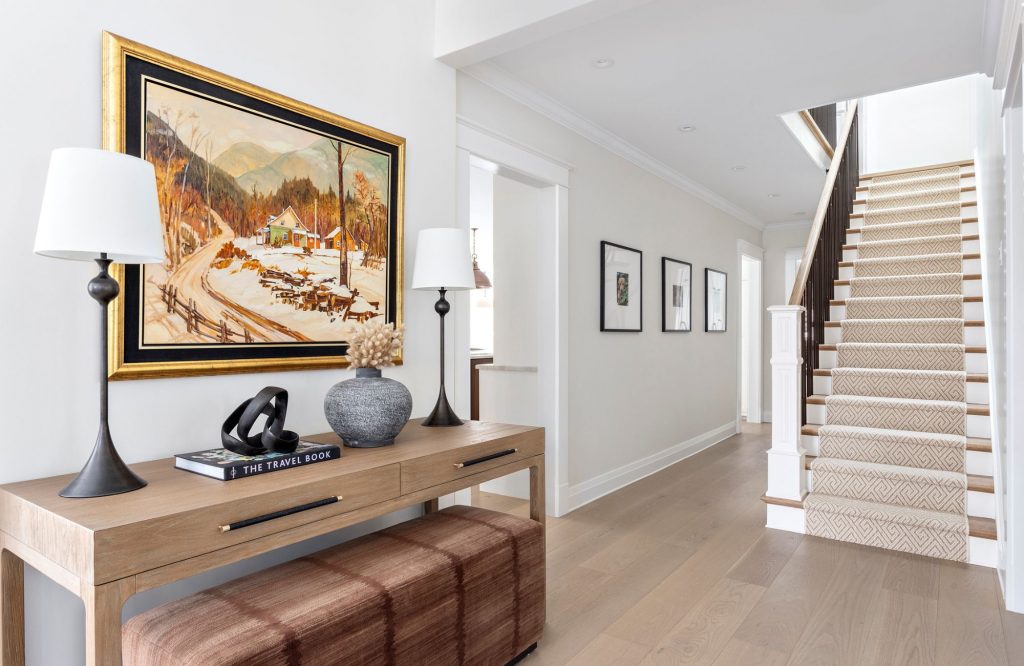
In our Newfoundland Project, pictured above, incorporating our clients’ existing art collection was central to the design. Several pieces became jumping-off points for colour and finish selections, while new works by West Coast artists were introduced to complement what they already owned.
Key Takeaways: The Importance of Decorating
- Decorating is about much more than adding finishing touches. Furniture placement influences how a room functions, flows and supports everyday life.
- Considering furnishings early allows important renovation decisions to be made with the finished room in mind.
- Our specialty is the finished interior, including space planning, furniture, lighting, rugs, window coverings, art and accessories.
- Working alongside architects, contractors and trades allows each professional to bring their particular expertise to the project.
- Furnishings require their own investment and timeline, with many quality pieces requiring 3 to 6 months to arrive.
- A thoughtfully decorated home feels layered, personal and complete because every piece has been considered as part of the whole.
Creating a Home That Feels Complete
Ultimately, the measure of a beautifully designed home is not simply how it looks when everything is finished. It is how you feel living there.
It is the ease of moving through your day, the comfort of settling in at night, and the pleasure of welcoming family and friends into your home. That is always the end result we are working toward.
If you are ready to create a home that supports the way you want to live, reach out here. We would be delighted to guide you through the process.
Until next time,
Lori